Plumbing · the USA
Technicians follow documented steps for isolation, diagnosis, and repair. Replacement parts are chosen to match the existing system rather than the lowest-cost option available that day.
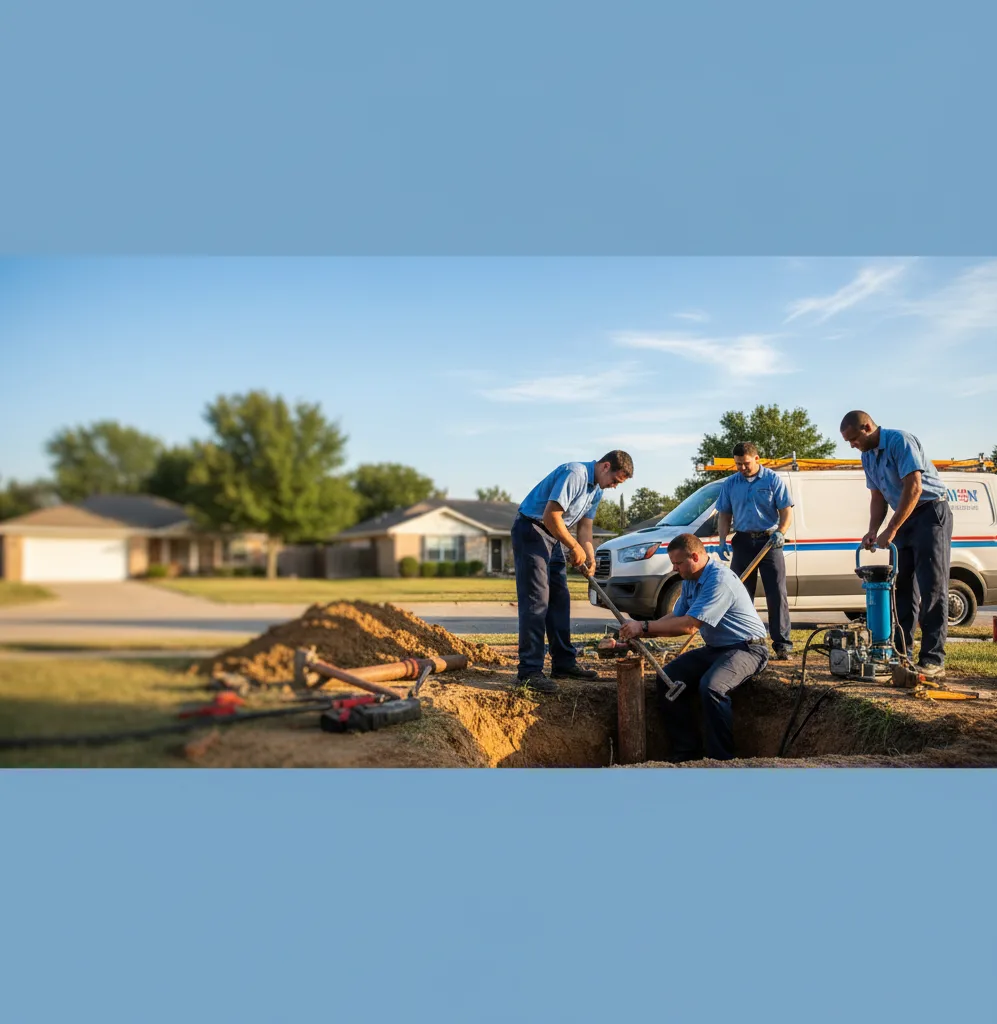
Plumbers begin by performing leak detection to trace visible moisture back to its origin. This may involve checking joints, valves, and water heater connections with moisture meters and cameras. In many cases the leak sits behind a wall or under a floor, so a small section of material comes out for direct inspection. Once the affected section is exposed, the technician measures pipe diameter and notes the material so the correct replacement piece can be prepared. The goal is to limit demolition while confirming the repair will hold under normal household pressure.
Supply lines often fail at connections where dissimilar metals meet or where flexible hoses have aged. Corrosion can thin the wall until a pinhole forms, while rubber washers inside shutoff valves harden and allow seepage. Homeowners sometimes notice reduced flow or staining on ceilings before a larger failure occurs. Checking the age of flexible supply lines to toilets and sinks is one step individuals can perform without tools. Early detection at these points reduces the chance of sudden water release inside finished spaces.
FAQ

The task requires shutting off power or gas, draining the tank, and working with electrical connections or gas fittings. Incorrect reassembly can create leaks or safety hazards. Most homeowners lack the specific tools needed to torque the new element correctly. A licensed technician performs the replacement and tests the unit afterward.
The interval depends on local water hardness and how much hot water the household uses. In areas with moderate hardness, once a year is usually sufficient. Homes with very hard water may benefit from flushing every six months. A technician can check the amount of sediment during the first service call and recommend a schedule based on what is found.
Noise usually comes from sediment that has settled at the bottom of the tank and is being heated repeatedly. The sound can range from popping to rumbling depending on how much material has accumulated. Flushing the tank removes most of the sediment and quiets the unit. In some cases the dip tube has broken and is directing cold water directly onto the heating element, which also creates noise.
Water Heater Repair & Plumber across the USA. Call (888) 205-2213.
Call (888) 205-2213