Plumbing · the USA
The company records pipe conditions with camera footage before and after every hydrojetting service. Work is performed by technicians who select pressure settings and nozzle types according to the pipe material found on site.
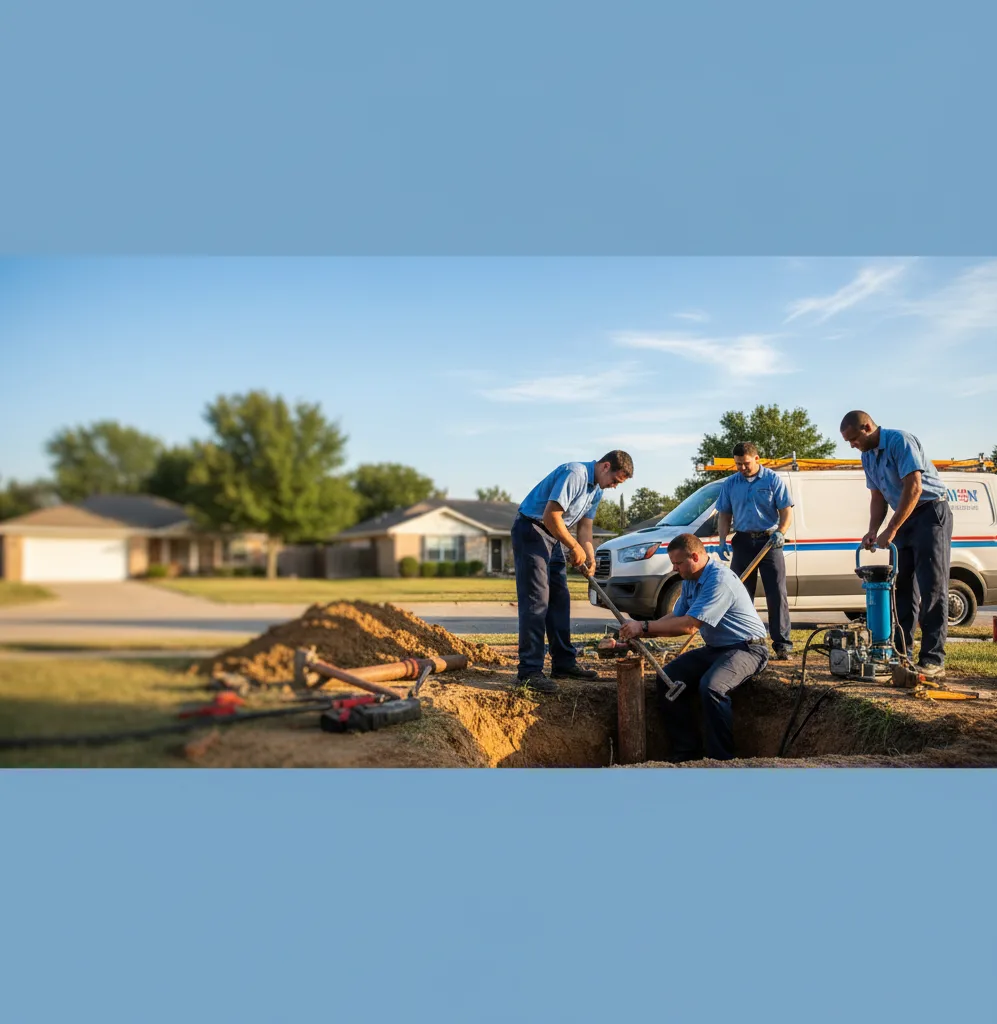
Slow drains that return quickly after plunging or chemical treatment often point to material stuck along the pipe walls rather than a single clog. Hydrojetting sends water at high pressure through specialized nozzles that scour the interior surface as the hose advances. This action breaks apart layers of grease, soap residue, and mineral scale that accumulate over time in residential and commercial lines. Operators control the pressure and nozzle type to match the pipe material and diameter so the cleaning reaches the full circumference without forcing water backward into fixtures. After the run, a follow-up camera pass confirms whether the walls are clear or if sections of pipe still show damage that may require further repair.
Before starting, the technician reviews access points such as cleanouts and determines the best entry location to reach the affected section. Flow tests at nearby fixtures help locate the general area of restriction. During the hydrojetting pass, the technician monitors water return at the entry point to gauge how much material is being removed. Common causes of persistent buildup include cooking grease that cools and hardens, tree roots that enter through small cracks, and accumulated toilet paper or wipes that do not fully break down. Homeowners can sometimes notice recurring gurgling sounds or multiple fixtures draining slowly at once, which suggests the issue lies farther down the main line rather than in a single trap.
FAQ

The task requires shutting off power or gas, draining the tank, and working with electrical connections or gas fittings. Incorrect reassembly can create leaks or safety hazards. Most homeowners lack the specific tools needed to torque the new element correctly. A licensed technician performs the replacement and tests the unit afterward.
The interval depends on local water hardness and how much hot water the household uses. In areas with moderate hardness, once a year is usually sufficient. Homes with very hard water may benefit from flushing every six months. A technician can check the amount of sediment during the first service call and recommend a schedule based on what is found.
Noise usually comes from sediment that has settled at the bottom of the tank and is being heated repeatedly. The sound can range from popping to rumbling depending on how much material has accumulated. Flushing the tank removes most of the sediment and quiets the unit. In some cases the dip tube has broken and is directing cold water directly onto the heating element, which also creates noise.
Water Heater Repair & Plumber across the USA. Call (888) 205-2213.
Call (888) 205-2213