Plumbing · the USA
Grant Plumbing begins each drain cleaning with a camera inspection, records findings, and completes the job with a follow-up flush. Homeowners receive a written summary of what was found and cleared.
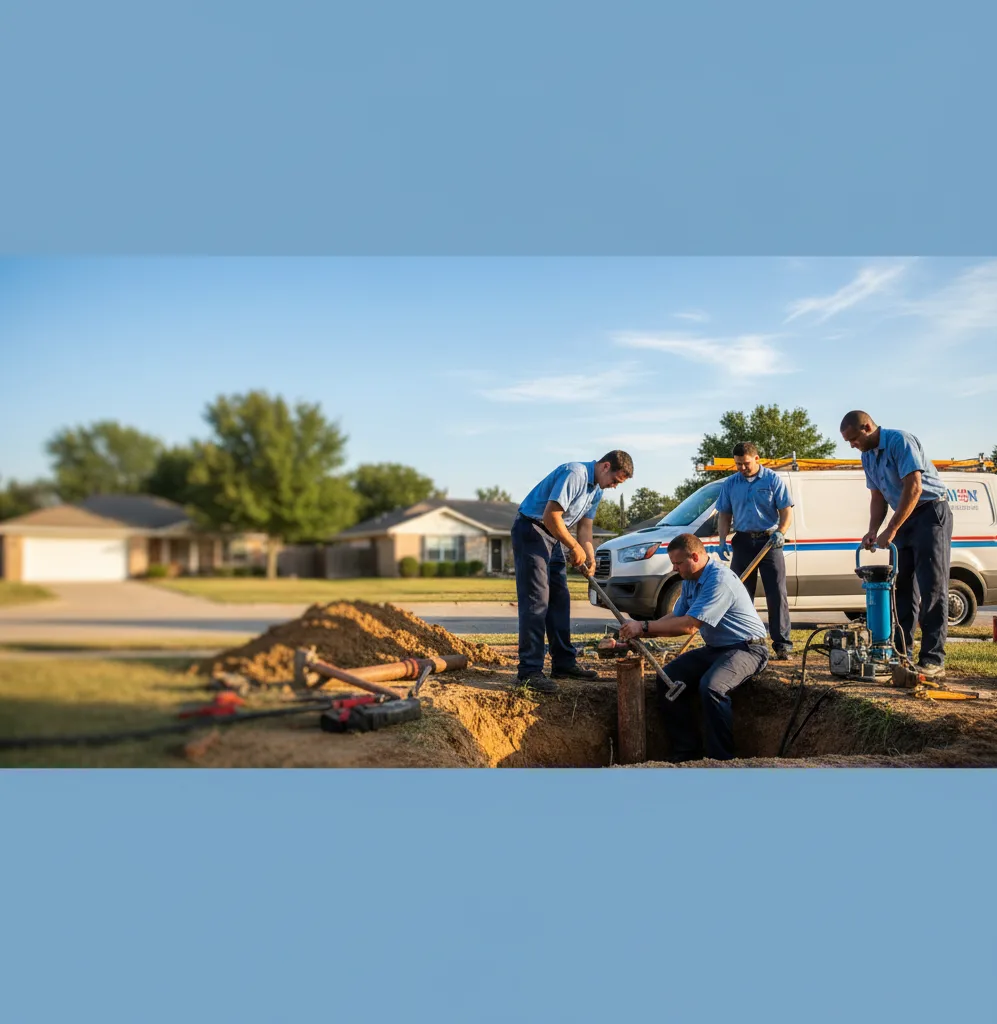
Hair, soap residue, and grease build up along pipe walls over months or years. A camera inspection shows exactly where the restriction sits and whether the pipe itself has cracks or offsets that could affect the fix. Once located, a cable or hydro jet breaks the material free without forcing debris farther into the system. Homeowners often notice early signs such as gurgling sounds from nearby fixtures or water that rises in one sink when another is used. Checking these symptoms early can prevent a complete stoppage that affects multiple rooms.
The first step is confirming which fixtures are affected and whether the issue is limited to one branch or the main line. Roof vents are examined for obstructions that could reduce airflow and worsen slow drainage. Age of the home and previous work on the line are noted because older cast iron or clay sections respond differently to mechanical clearing than modern PVC. Any standing water is removed before the line is opened so the camera view remains clear and the work area stays contained.
FAQ

The task requires shutting off power or gas, draining the tank, and working with electrical connections or gas fittings. Incorrect reassembly can create leaks or safety hazards. Most homeowners lack the specific tools needed to torque the new element correctly. A licensed technician performs the replacement and tests the unit afterward.
The interval depends on local water hardness and how much hot water the household uses. In areas with moderate hardness, once a year is usually sufficient. Homes with very hard water may benefit from flushing every six months. A technician can check the amount of sediment during the first service call and recommend a schedule based on what is found.
Noise usually comes from sediment that has settled at the bottom of the tank and is being heated repeatedly. The sound can range from popping to rumbling depending on how much material has accumulated. Flushing the tank removes most of the sediment and quiets the unit. In some cases the dip tube has broken and is directing cold water directly onto the heating element, which also creates noise.
Water Heater Repair & Plumber across the USA. Call (888) 205-2213.
Call (888) 205-2213