Plumbing · the USA
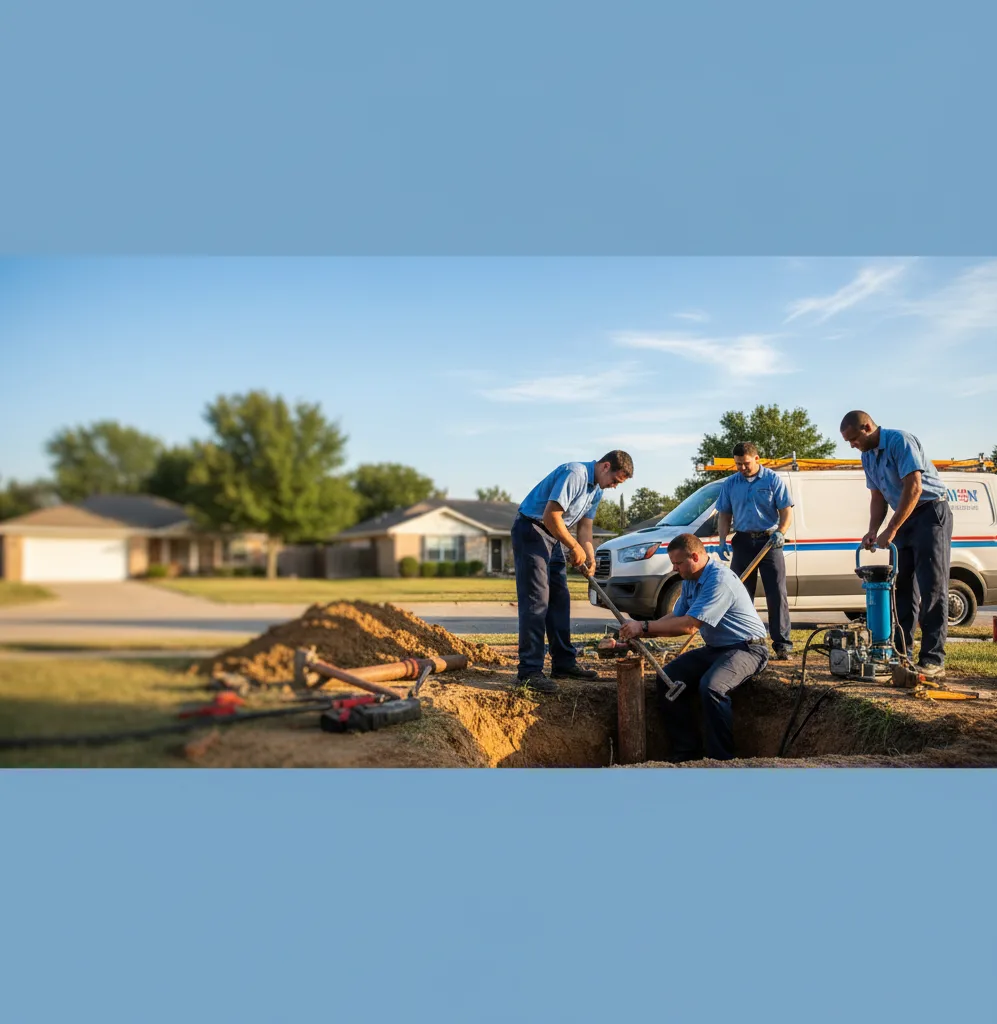
Work begins with a review of the home’s plumbing history and recent changes before any equipment is used. Findings are recorded on site and reviewed with the owner so decisions about repairs stay informed by actual conditions.
Homeowners often notice faint musty odors near baseboards or small changes in floor level before any visible water appears. These early clues usually trace back to joints in supply lines, hairline cracks in older cast-iron drains, or failed seals around fixtures that have aged past their expected service life. Grant Plumbing begins by reviewing the home’s plumbing layout and recent remodeling work, since added bathrooms or relocated appliances frequently introduce new connection points that can loosen over time. Once the likely zones are mapped, listening equipment is placed against walls and slabs to pick up the sound of running water even when flow rates are low. If readings suggest hidden moisture, small inspection openings are made only where needed so repairs stay focused and drywall damage remains limited.
Corrosion on galvanized steel pipes remains one of the most frequent findings in homes built before the mid-1980s, especially where water chemistry is slightly acidic. Temperature fluctuations can also stress soldered copper joints, creating pinhole leaks that drip slowly into insulation or subfloors. In slab-on-grade construction, shifting soil sometimes cracks rigid drain lines, allowing groundwater to enter and create the opposite problem of constant seepage. Technicians check water pressure at multiple outlets because abnormally high readings can accelerate wear on valves and flexible supply hoses. Homeowners can note whether the issue appears only after heavy rain, during certain times of day, or after the water heater cycles, since these patterns help narrow the search before equipment is brought in.
FAQ

The task requires shutting off power or gas, draining the tank, and working with electrical connections or gas fittings. Incorrect reassembly can create leaks or safety hazards. Most homeowners lack the specific tools needed to torque the new element correctly. A licensed technician performs the replacement and tests the unit afterward.
The interval depends on local water hardness and how much hot water the household uses. In areas with moderate hardness, once a year is usually sufficient. Homes with very hard water may benefit from flushing every six months. A technician can check the amount of sediment during the first service call and recommend a schedule based on what is found.
Noise usually comes from sediment that has settled at the bottom of the tank and is being heated repeatedly. The sound can range from popping to rumbling depending on how much material has accumulated. Flushing the tank removes most of the sediment and quiets the unit. In some cases the dip tube has broken and is directing cold water directly onto the heating element, which also creates noise.
Water Heater Repair & Plumber across the USA. Call (888) 205-2213.
Call (888) 205-2213