Plumbing · the USA
Grant Plumbing follows documented steps for locating, exposing, and restoring sewer lines. The same inspection and testing protocols apply whether the property is a single residence or a small commercial site.
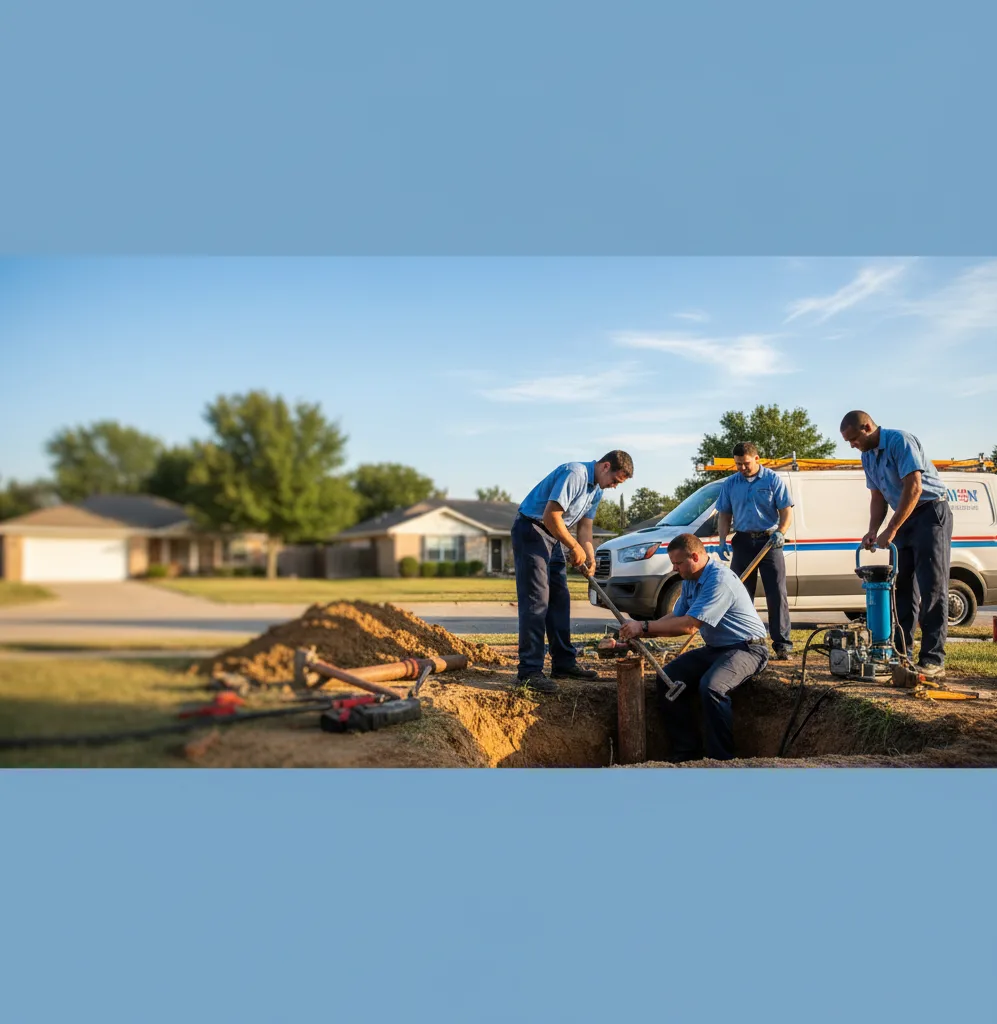
Sewer lines carry wastewater away from buildings, and problems often show up first as slow drains or recurring clogs in multiple fixtures. A camera inspection finds cracks, root intrusion, or collapsed sections that block flow. Technicians note pipe material, depth, and the soil around it before choosing between a spot repair and a longer replacement. The process starts by locating the cleanout or access point, then running the camera while recording video. Common findings include bellied pipe that holds water, offset joints from ground movement, and grease buildup that narrows the diameter over time. Once the footage is reviewed, the crew marks the surface above the damaged area so excavation stays limited. This approach reduces the chance of missing secondary problems farther along the line.
After the camera survey, the crew compares trenchless methods such as pipe bursting or lining against traditional dig-and-replace based on access and pipe condition. Trenchless options work when the line runs under landscaping or driveways that the owner wants to preserve. Traditional excavation is chosen when the pipe has multiple failures or when the surrounding soil has shifted enough to require new bedding material. The decision also considers local code requirements for cleanouts and backflow prevention. Property owners receive a written description of each option along with the expected disruption level for their particular layout.
FAQ

The task requires shutting off power or gas, draining the tank, and working with electrical connections or gas fittings. Incorrect reassembly can create leaks or safety hazards. Most homeowners lack the specific tools needed to torque the new element correctly. A licensed technician performs the replacement and tests the unit afterward.
The interval depends on local water hardness and how much hot water the household uses. In areas with moderate hardness, once a year is usually sufficient. Homes with very hard water may benefit from flushing every six months. A technician can check the amount of sediment during the first service call and recommend a schedule based on what is found.
Noise usually comes from sediment that has settled at the bottom of the tank and is being heated repeatedly. The sound can range from popping to rumbling depending on how much material has accumulated. Flushing the tank removes most of the sediment and quiets the unit. In some cases the dip tube has broken and is directing cold water directly onto the heating element, which also creates noise.
Water Heater Repair & Plumber across the USA. Call (888) 205-2213.
Call (888) 205-2213